
Ultimate Guide to Choosing Healthy Cookware
What Cookware Should You Choose?
There is no single best cookware material for every kitchen. Stainless steel, cast iron, and carbon steel are uncoated options; ceramic-coated and PTFE-coated pans add a nonstick surface that needs care. Choose by matching the material to your cooking style, cooktop, maintenance preferences, and the manufacturer’s temperature and care instructions. For nonstick cookware, avoid empty preheating and high heat; Health Canada advises keeping it below 260°C (500°F).
| Cookware type | Best suited to | What to check | Main tradeoff |
|---|---|---|---|
| Stainless steel | Everyday cooking, browning, and acidic dishes | Construction, weight, and whether the base works on your cooktop | Food can stick without proper preheating and cooking technique |
| Cast iron | Searing, baking, and cooking that benefits from heat retention | Weight, seasoning or enamel care, and cooktop compatibility | Heavy; uncoated cast iron needs drying and upkeep |
| Carbon steel | Searing and responsive stovetop cooking | Seasoning requirements, handle design, and cooktop compatibility | Needs care to limit rust and maintain seasoning |
| Ceramic-coated nonstick | Easy-release cooking and simpler cleanup | Exact coating claims, temperature limit, and care instructions | Nonstick performance can wear; follow the manufacturer’s care guidance |
| PTFE-coated nonstick | Low-stick cooking at moderate temperatures | Temperature limit, condition of the coating, and care instructions | Avoid empty preheating and high heat; use ventilation |
Materials and product designs vary. Check the exact product’s manufacturer instructions and specifications before buying.
How to Choose Cookware for Your Kitchen
1. Check Cooktop Compatibility
For induction, confirm that the exact pan model is listed as compatible by its manufacturer. Product lines can vary, even within the same brand.
2. Match the Material to Your Cooking
Consider whether you mostly sear, simmer, bake or cook foods that tend to stick. The best fit depends on your usual meals and preferred cooking methods.
3. Check Temperature Limits
Check the manufacturer’s temperature limit for the pan, lid and handles. Make sure it fits how you plan to use the cookware on the stovetop or in the oven.
4. Consider Weight and Care
Think about how easy the pan is to lift, clean and store. A pan that is difficult to maintain may not be a good fit for everyday use.
5. Compare Individual Pieces Before Buying a Set
List the pan types and sizes you use regularly. Then check whether a cookware set includes those pieces, rather than choosing by piece count alone.
6. Verify Product Claims
Check the exact coating and materials, care instructions, warranty terms and any product-specific testing cited by the manufacturer or seller. Broad labels such as “non-toxic” do not identify a product’s exact materials or conditions of use.
Understanding Cookware Coating and Safety Claims
“Non-toxic” is not a precise cookware category. Look for the specific material or coating, the manufacturer’s stated temperature limit and product-specific testing or certifications.
“PFOA-free” does not mean “PFAS-free”: PTFE is itself a PFAS used in some nonstick coatings. The FDA says certain PFAS are authorized for use in nonstick cookware coatings and describes those coatings as tightly bound to cookware, with available data indicating negligible migration to food. Health Canada separately advises consumers not to overheat nonstick cookware. These statements describe agency guidance; they should not be reduced to a blanket claim that every coating is either risk-free or unsafe.
Frequently Asked Questions About Cookware
What is the best cookware material for everyday use?
There is no universal best choice. Stainless steel is versatile and uncoated; cast iron retains heat; nonstick cookware can make some foods easier to release. Choose based on the dishes you cook, your cooktop, and the care you are willing to provide.
Is ceramic-coated cookware the same as ceramic cookware?
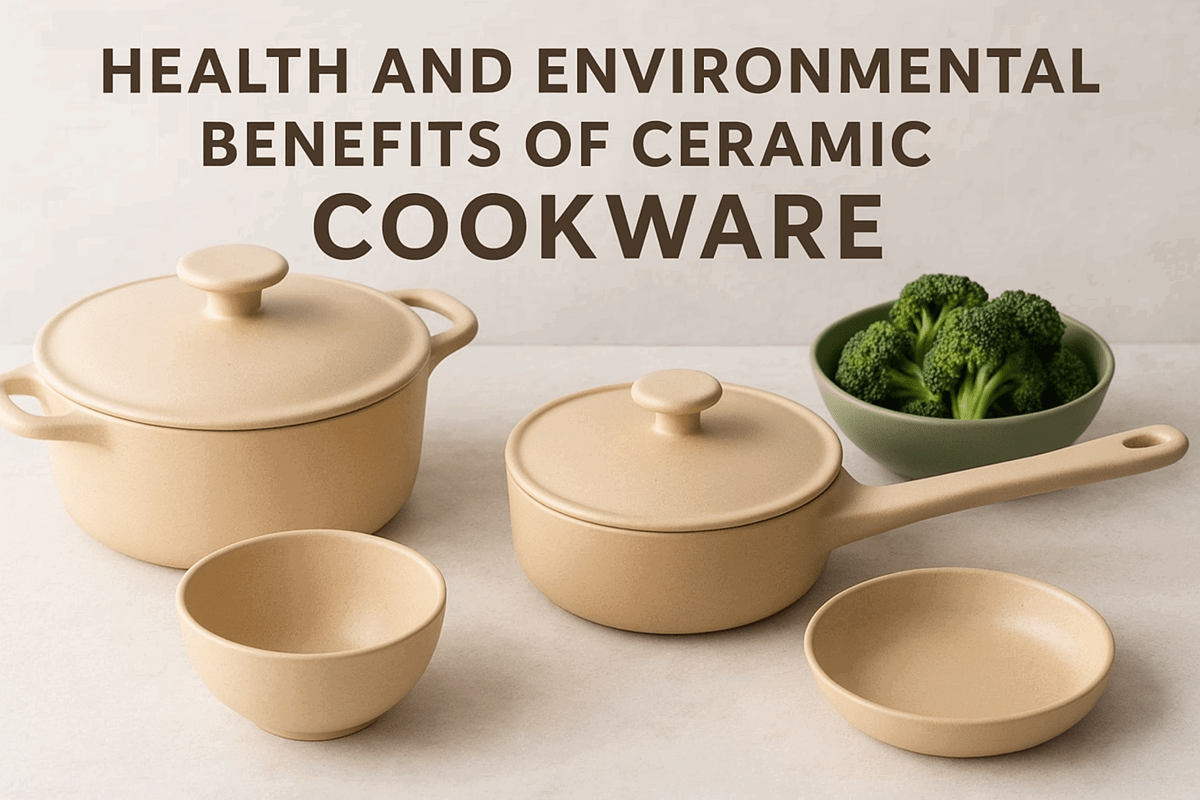
No. “Ceramic-coated” cookware usually refers to a metal pan with a coating. Product materials and claims vary, so check the manufacturer’s specifications for the exact pan.
Is PTFE nonstick cookware safe to use?
Follow the product’s instructions and avoid overheating it. Health Canada advises not to preheat empty nonstick cookware and not to use it above 260°C (500°F). The FDA describes authorized nonstick cookware coatings as tightly bound to the cookware and says available data indicate negligible migration to food.
How can I tell whether cookware works on induction?
Check the manufacturer’s specifications for the exact model. A magnet sticking to the base can be a useful preliminary check, but follow the product’s stated compatibility information.